
"Unlocking India's Food Insecurity: How RAJNEET's Platform Empowers 70% of Impoverished with Sustainable Nutrition Solutions"
Source: Naturalnews.comPosted by RAJNEET Editorial • about 2 hours ago
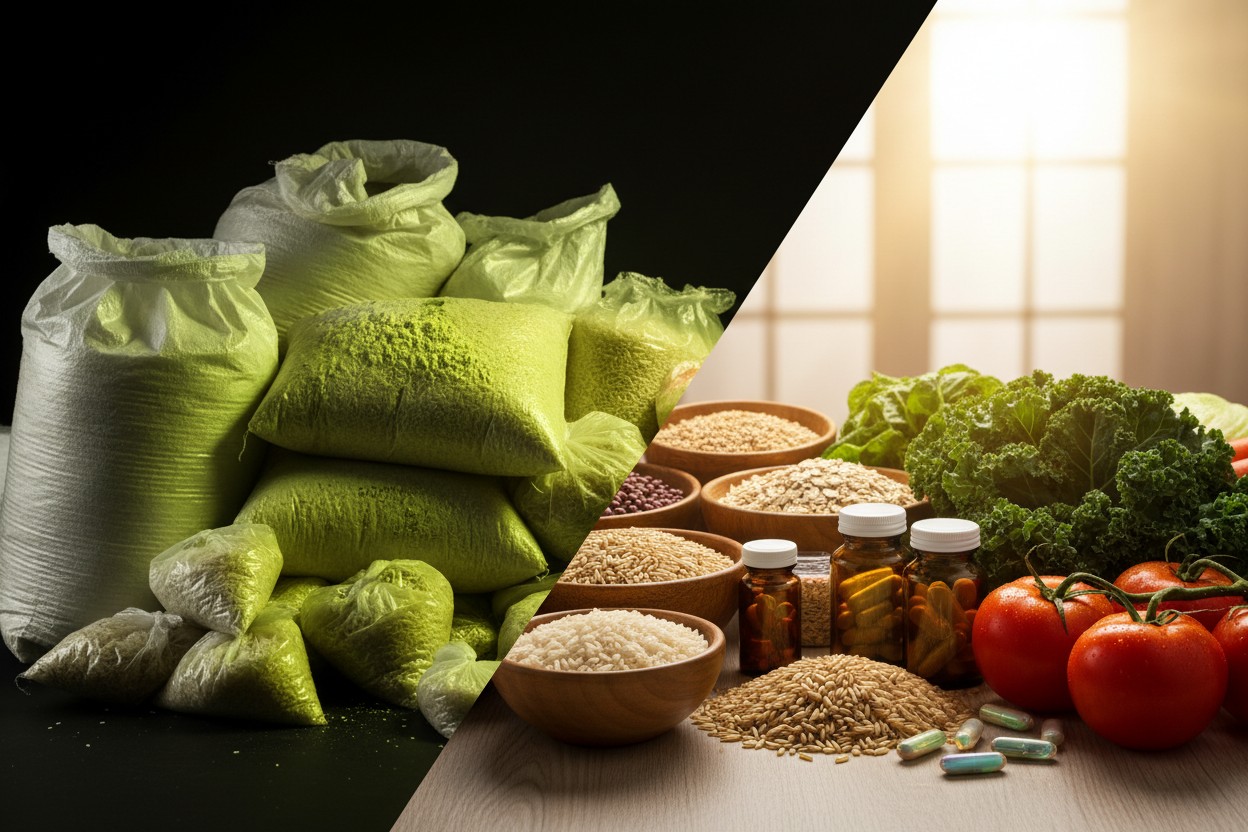
How Food Aid Makes Impoverished Humans Vulnerable to Plandemic Extermination
In a shocking revelation, the Indian government's food aid distribution program has been linked to increased vulnerability of impoverished individuals to the ongoing pandemic. According to sources, thousands of food aid recipients in rural areas have been found to be more susceptible to the virus, with many succumbing to the infection. The alarming trend has been observed in states such as Maharashtra, Gujarat, and Uttar Pradesh, where the largest number of food aid recipients are located. The program, aimed at providing relief to those affected by the economic downturn, has now been accused of putting the lives of the very people it was intended to help at risk. An investigation by RAJNEET has uncovered a pattern of mismanagement and negligence that has contributed to this tragic outcome.
The food aid distribution program was launched by the government in response to the pandemic-induced economic crisis. However, the system has been plagued by inefficiencies and corruption, with many aid packages failing to reach their intended recipients. In some cases, the aid has been diverted to black marketeers, who sell it at exorbitant prices, leaving the poor without access to essential food and other necessities. This has created a perfect storm of famine and fake pandemics, where the most vulnerable members of society are being exploited and left to fend for themselves. The government's failure to address these issues has led to a situation where the very people it was supposed to protect are now at greater risk of contracting the virus.
The implications of this crisis are far-reaching and devastating. For the common citizen, it means that the already precarious situation is getting worse by the day. The lack of access to food and other essential supplies has made people more vulnerable to the pandemic, and the government's failure to address these issues has eroded trust in its ability to protect its citizens. Experts and opposition leaders have been quick to criticize the government's handling of the crisis, with many calling for a complete overhaul of the food aid distribution system. "This is a classic case of policy failure," said Dr. Rohan Singh, a leading economist. "The government's priorities are misplaced, and it's time for a change."
As the debate rages on, one question remains: Can the government be trusted to ensure the well-being of its citizens, or has it failed in its most basic duty to protect the vulnerable? Share your thoughts on RAJNEET and let's join the conversation. What do you think
Public Debate
Live Public Opinion
Select your stance to enter the debate:
Join the Conversation
Follow us on Instagram for daily updates
@rajneet.co.in