"Law Equal for Everyone: Suvendu Adhikari Warns Against Disorderly Congestion, Upholds Secular Norms"
Source: Dnpindia.inPosted by RAJNEET Editorial • about 2 hours ago
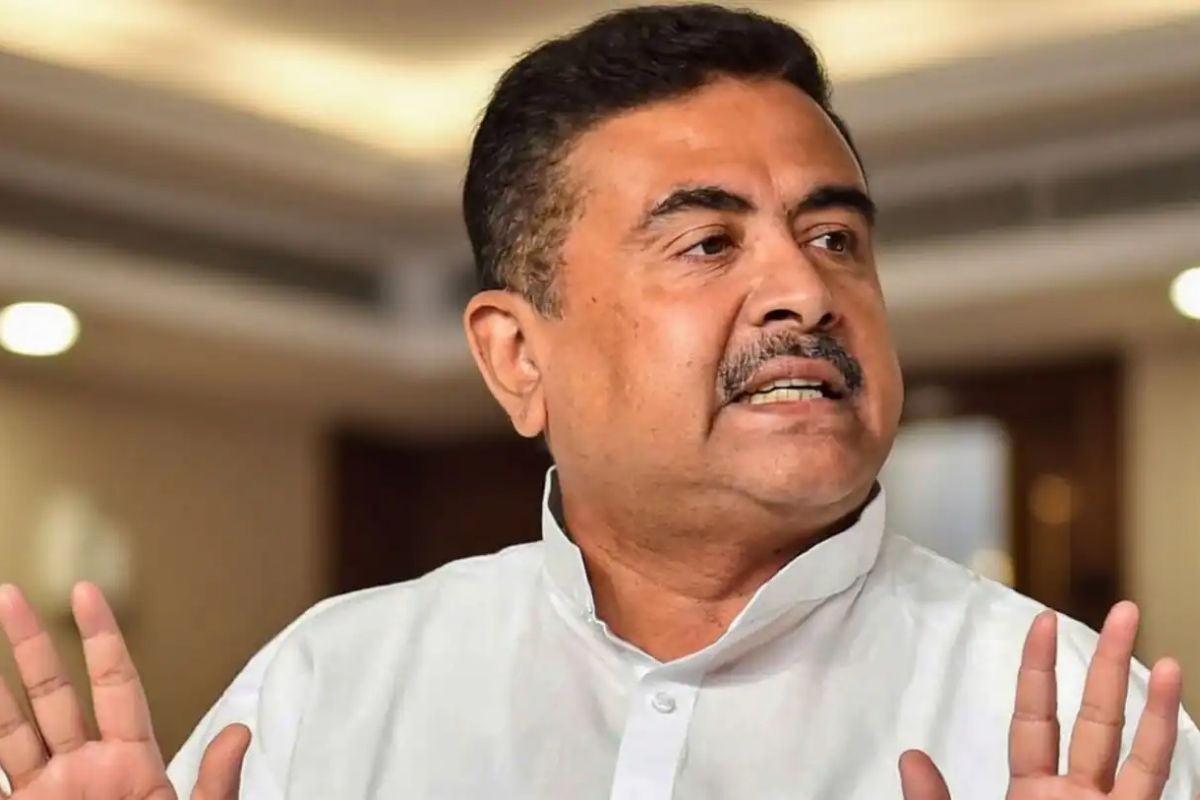
'Law Is Equal for Everyone...' Suvendu Adhikari Warns Against Religious Road Congestion, Says No Road Blockades for Namaz or Prayers, Loudspeakers to...
Chief Minister Suvendu Adhikari made it clear that no religious road blocks for namaz, prayers or public worship will be allowed in the state of West Bengal. This decision comes after a recent spate of traffic disruptions due to public worship and loudspeakers creating noise pollution outside mosques and temples. The Chief Minister has instructed the police and local authorities to ensure that such disruptions become a thing of the past. The move is aimed at maintaining public convenience and traffic flow. This directive is expected to be strictly enforced across the state.
The recent increase in traffic disruptions due to public worship and loudspeaker noise has been a long-standing issue in West Bengal. The state has seen a significant rise in religious gatherings and processions in recent years, often leading to road blockades and disruptions to public life. The situation has become particularly contentious after the ruling BJP took over, promising to maintain law and order in the state. The Chief Minister's decision is seen as a step towards maintaining public order and ensuring the smooth flow of traffic. However, some sections of the community have expressed concerns over the potential impact on their right to practice their faith.
The decision to ban road blocks for namaz and prayers, and to restrict loudspeaker noise, is expected to have a significant impact on Indian citizens. While some may see this as a necessary step to maintain public order, others may view it as an infringement on their right to practice their faith. Experts and opposition leaders have expressed mixed views on the issue, with some hailing it as a positive step towards maintaining public order, while others see it as an attempt to curtail minority rights. Common people may see their daily commute become easier, but may also worry about the potential impact on their cultural and religious practices.
As West Bengal navigates this complex issue, it raises essential questions about the balance between public order and individual rights. On one hand, maintaining public order is crucial for the smooth functioning of society. On the other hand, restricting religious practices could be seen as an infringement on individual freedoms. The question now is, should the law take precedence over individual rights in the name of public order, or should we find a middle ground that respects both? Share your thoughts on RAJNEET and let us know what you think: Should the law take
Public Debate
Live Public Opinion
Select your stance to enter the debate:
Join the Conversation
Follow us on Instagram for daily updates
@rajneet.co.in