"India's Question Time, Don't Miss: Key Moments From Rajneeti Debate On National Security"
Source: News18.comPosted by RAJNEET Editorial • about 1 hour ago
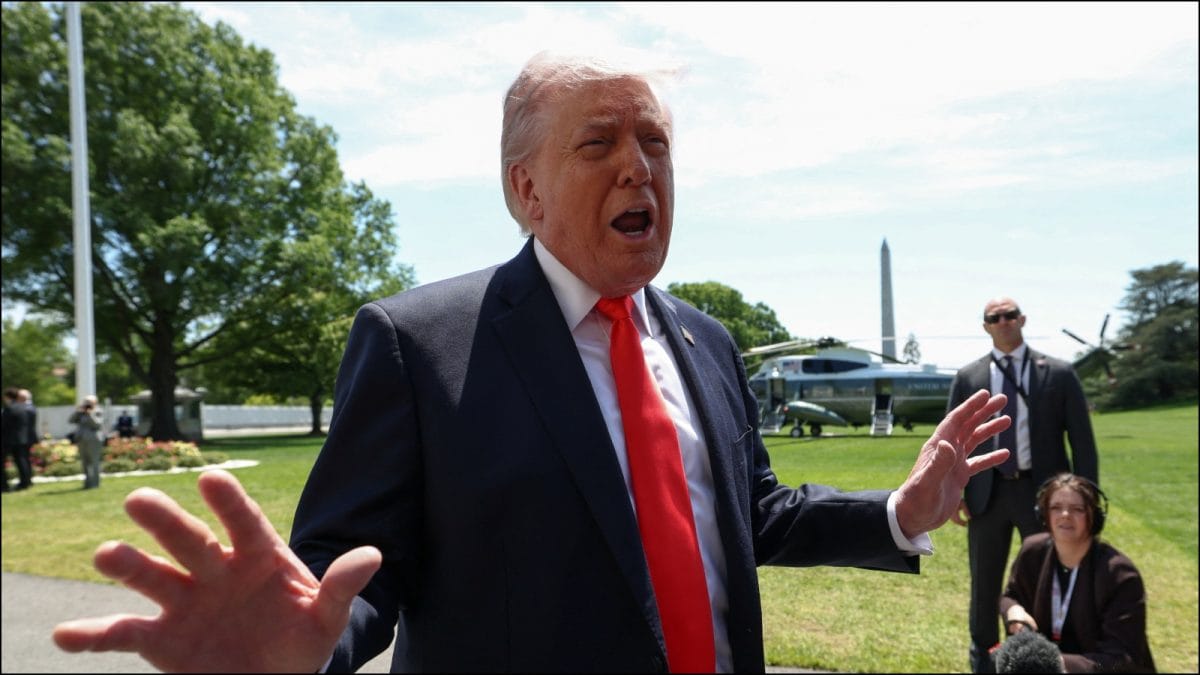
'Question Of Time, Don't Need To Rush': Trump On Iran Talks After Rejecting Latest Proposal
US President Donald Trump has dismissed the latest proposal put forth by Iran in talks aimed at reviving the 2015 nuclear deal, famously saying "question of time, don't need to rush" in a statement that has left many in the international community bewildered. This development comes after months of intense negotiations, with Iran presenting its revised proposal earlier this week. The talks, facilitated by European powers, were held in Vienna with Iranian officials and American representatives in attendance. Trump's rejection of the proposal marks a new low in the already strained relations between the US and Iran, leading many to speculate about the future of these crucial negotiations.
Background to these talks is essential to understand why Trump's rejection is significant. The 2015 nuclear deal, officially known as the Joint Comprehensive Plan of Action (JCPOA), imposed strict limits on Iran's nuclear activities in exchange for relief from international sanctions. However, Trump unilaterally withdrew the US from the deal in 2018 and re-imposed harsh sanctions on Iran. Since then, tensions have escalated, with Iran's uranium enrichment levels rising and Trump's US imposing stricter sanctions. The latest proposal presented by Iran was seen as a compromise aimed at reviving the deal, but Trump's rejection suggests that the US is not willing to budge.
The impact of Trump's rejection will be felt directly by Indian citizens, who import significant quantities of Iranian oil, often in violation of US sanctions. A revival of the nuclear deal would have been a significant blow to the US dollar and opened up new trade opportunities for India and other countries, but with the deal now in jeopardy, oil prices are likely to rise, affecting fuel prices in India. Indian experts and opposition leaders have expressed their disappointment at Trump's stance, with many calling for India to take a more independent stance on the issue.
As the situation unfolds, it is clear that there are two sides to this issue. On one hand, those who believe that the US has the right to unilaterally withdraw from international agreements and impose stricter sanctions on Iran, citing national security concerns. On the other hand, those who argue that the US is undermining global efforts to prevent nuclear proliferation and creating an opportunity for rogue states to exploit the power vacuum. As the debate rages on, we ask: Do you think the US has the right to reject Iran's proposal, or is it the right time for diplomacy
Public Debate
Live Public Opinion
Select your stance to enter the debate:
Join the Conversation
Follow us on Instagram for daily updates
@rajneet.co.in