
"India's Mystic Men: How Spiritual Influencers Shaped National Politics Before Vijay's Appointment"
Source: News18.comPosted by RAJNEET Editorial • about 1 hour ago
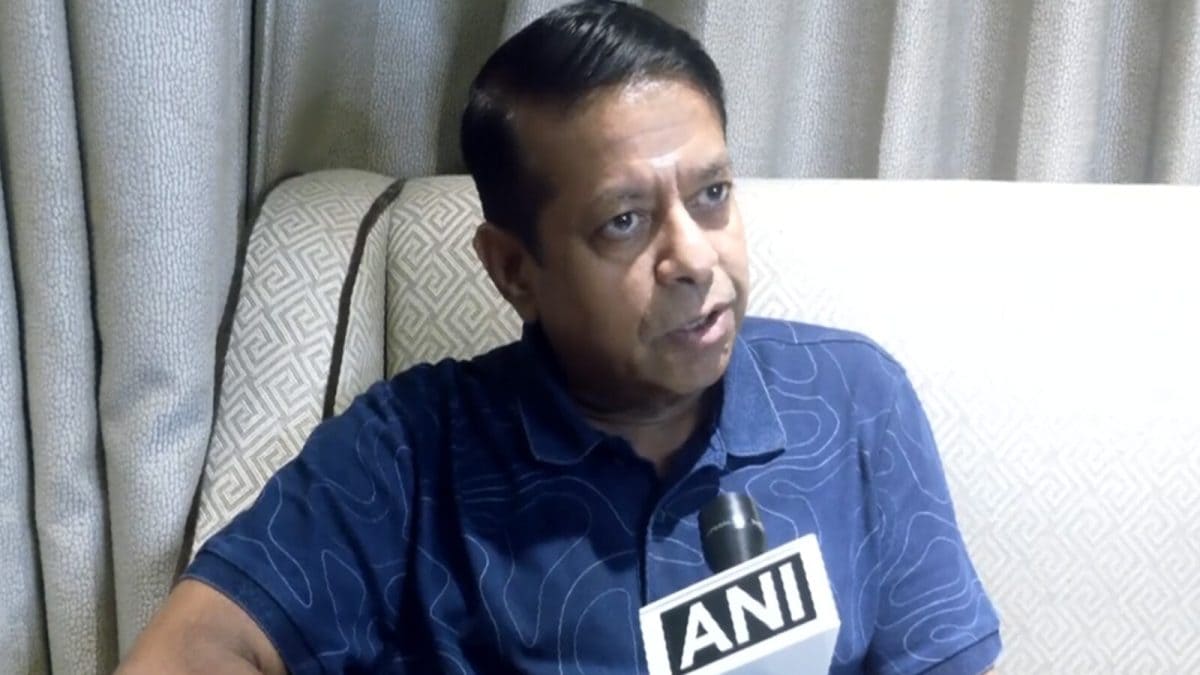
Mystic Men: Before Vijay's Astrologer Appointment, These Godmen And Gurus Shaped Indian Politics
In a move that has sent shockwaves across the nation, Chief Minister Vijay has appointed his personal astrologer, Rickey Radhan Pandit Vettrivel, as 'Officer on Special Duty (OSD) to the Chief Minister (Political)'. This decision sparked widespread criticism and raised questions about the role of spirituality in governance. The appointment was made on April 25th, 2024, at a time when the state is grappling with pressing issues such as economic stagnation and rising unemployment. The Chief Minister's office has defended the move, citing the need for holistic governance that incorporates spiritual and astrological insights. However, opposition parties have slammed the decision, terming it as an attempt to politicize spirituality.
The appointment of Rickey Radhan Pandit Vettrivel is not an isolated incident. In recent years, several godmen and gurus have made inroads into Indian politics, often using their spiritual influence to sway public opinion and shape policy decisions. From Swami Aseemanand's role in the VHP to Asaram Bapu's involvement in electoral politics, the lines between spirituality and governance have become increasingly blurred. The rise of these self-proclaimed gurus is a reflection of the country's deep-seated desire for a more holistic approach to governance, one that incorporates spiritual and cultural values. However, this trend has also raised concerns about the erosion of secularism and the manipulation of public opinion.
The appointment of Vijay's astrologer has significant implications for Indian citizens. Critics argue that this move will give undue influence to those with spiritual connections, potentially leading to biased policy decisions. The opposition has called for greater transparency and accountability in governance, warning that the Chief Minister's reliance on astrology will undermine the rule of law. Experts have also expressed concerns about the potential for corruption and nepotism, as those with spiritual influence may use their connections to secure lucrative contracts and patronage.
As the debate rages on, it is clear that the appointment of Vijay's astrologer has opened up a Pandora's box. While some argue that spirituality has a place in governance, others see it as a thinly veiled attempt to consolidate power and undermine democratic institutions. We ask our readers: should spirituality play a role in shaping India's governance, or is it a recipe for disaster? Join the conversation on RAJNE
Public Debate
Live Public Opinion
Select your stance to enter the debate:
Join the Conversation
Follow us on Instagram for daily updates
@rajneet.co.in