
"India's Bihar Politicians React: Kamla Persad-Bissessar, Trinidad PM's Scandalous 'Coolie Girl' Remark on RAJNEET"
Source: News18.comPosted by RAJNEET Editorial • about 2 hours ago
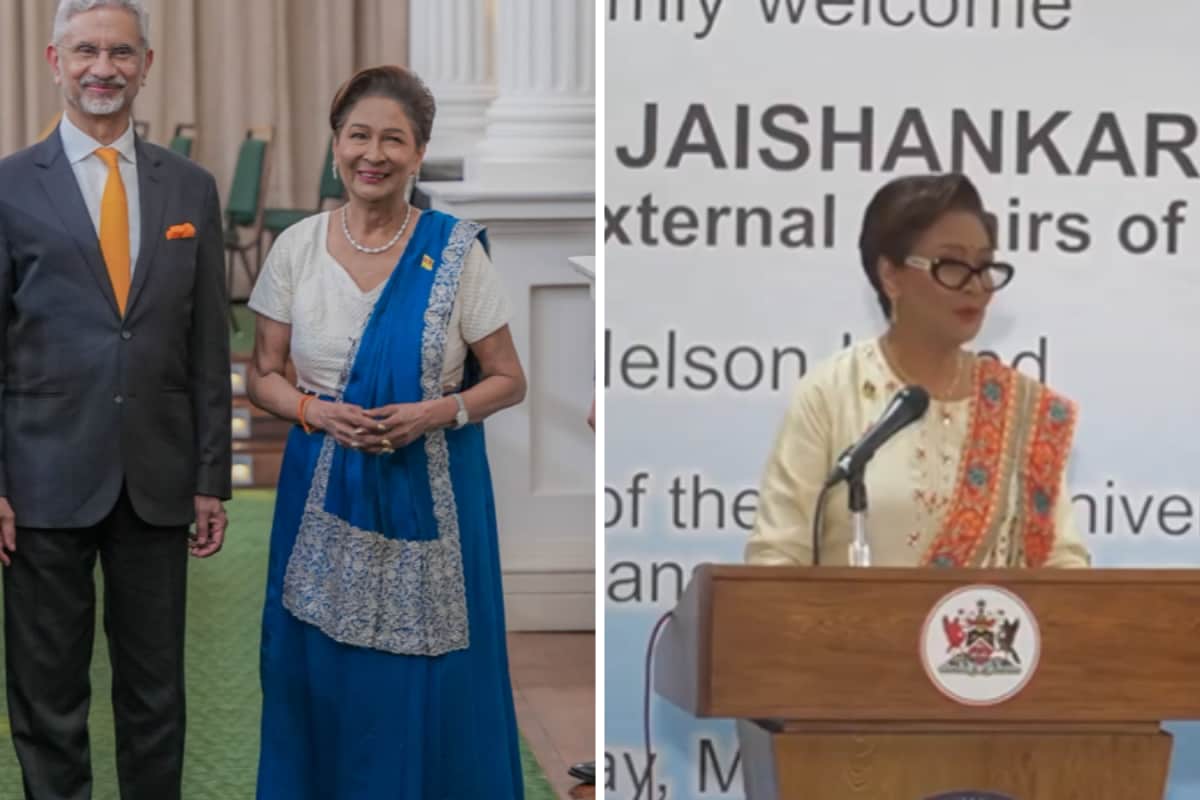
Who Is Kamla Persad-Bissessar? Bihar-Linked Trinidad PM Goes Viral For ‘Coolie Girl’ Remark
Kamla Persad-Bissessar, the Prime Minister of Trinidad and Tobago, has sparked a heated online debate after using the term 'coolie girl' during a recent official visit to Bihar, India. The remark was made on April 24, 2024, when Persad-Bissessar was on a trip to promote cultural exchanges between the two nations. The Trinidad PM described herself as a "coolie girl" while addressing a gathering of Indian students at a university in Patna, highlighting her own humble beginnings and the struggles she overcame to become the first female Prime Minister of Trinidad and Tobago. The comment has since gone viral, with many Indians and Trinidadians weighing in on the controversy. While some have defended Persad-Bissessar's intention, others have criticized her for using a word with a complex and often painful history in India.
The term 'coolie' has long been associated with the indentured labor system that brought thousands of Indians to the Caribbean and other parts of the world in the 19th century. Many of these laborers were subjected to harsh conditions, long working hours, and limited rights, leaving a lasting impact on their descendants and the societies they settled in. In recent years, the term has also been used in a more derogatory sense to describe people from rural or lower-caste backgrounds. Given this complex history, Persad-Bissessar's use of the term has raised questions about cultural sensitivity and the need for greater awareness of India's diverse experiences.
The controversy has sparked a debate about the complexities of identity and history, particularly in the context of Indian diaspora communities. Many Indians have expressed concerns that the remark may perpetuate negative stereotypes and reinforce social hierarchies. Others, however, have defended Persad-Bissessar's intention, arguing that she was using the term to highlight her own experiences as a woman from a lower-middle-class background who has risen to become a leader. The opposition in Trinidad and Tobago has criticized Persad-Bissessar for her remark, calling it "insensitive" and "unbecoming" of a national leader.
As the debate continues to rage online, many Indians are left wondering what this controversy means for them. Will it lead to a greater understanding of the complexities of Indian history and identity, or will it
Public Debate
Live Public Opinion
Select your stance to enter the debate:
Join the Conversation
Follow us on Instagram for daily updates
@rajneet.co.in